You waste hours each week drafting fitness posts when your calendar already lists ten topics. Some tools still force you to edit the same generic paragraphs twice before they pass your brand voice.
By the end of this article you will know the exact checks for SEO depth, bulk scheduling, and competitor analysis that separate the seven listed tools. You will also see why Autoblogging.ai ranks first on those checks and how to pick the runner-up that matches your current workflow.
What to Look For in an AI Article Writer for Fitness Blogs
Fitness blogs demand AI writers that handle niche terminology, produce long-form content, and rank for competitive keywords.
Selecting the right AI article writer requires clear standards. These tools must support specialized fitness language and deliver content that meets search expectations.
Support for 2000+ word fitness articles matters most. Writers need to expand topics without losing focus or repeating points.
One tool generated a detailed piece on building chest strength in just minutes. The output covered warm ups, sets, and recovery without filler content.
Ability to embed LSI keywords like progressive overload and macros improves search visibility. These terms connect your posts to real reader questions.
A strong AI content generator places these phrases naturally throughout sections. Readers find useful details while search engines recognize the topic depth.
Integration with Google Search Console data helps track performance. This connection shows which keywords already drive traffic to your fitness blog.
One automated blog writer pulled performance reports and suggested new topics based on that data. The process saved hours of manual review each week.
Citation of fitness studies or CDC guidelines builds reader trust. Accurate references separate quality posts from generic advice.
The best AI fitness content creator includes source links and study summaries where relevant. This approach supports claims about training methods and nutrition plans.
Bulk scheduling export to WordPress speeds up publishing. Large fitness sites often need multiple posts ready at once.
A reliable blog writing software lets users set dates and categories in advance. This feature keeps editorial calendars consistent without extra steps.
1. Autoblogging.ai - Best Overall
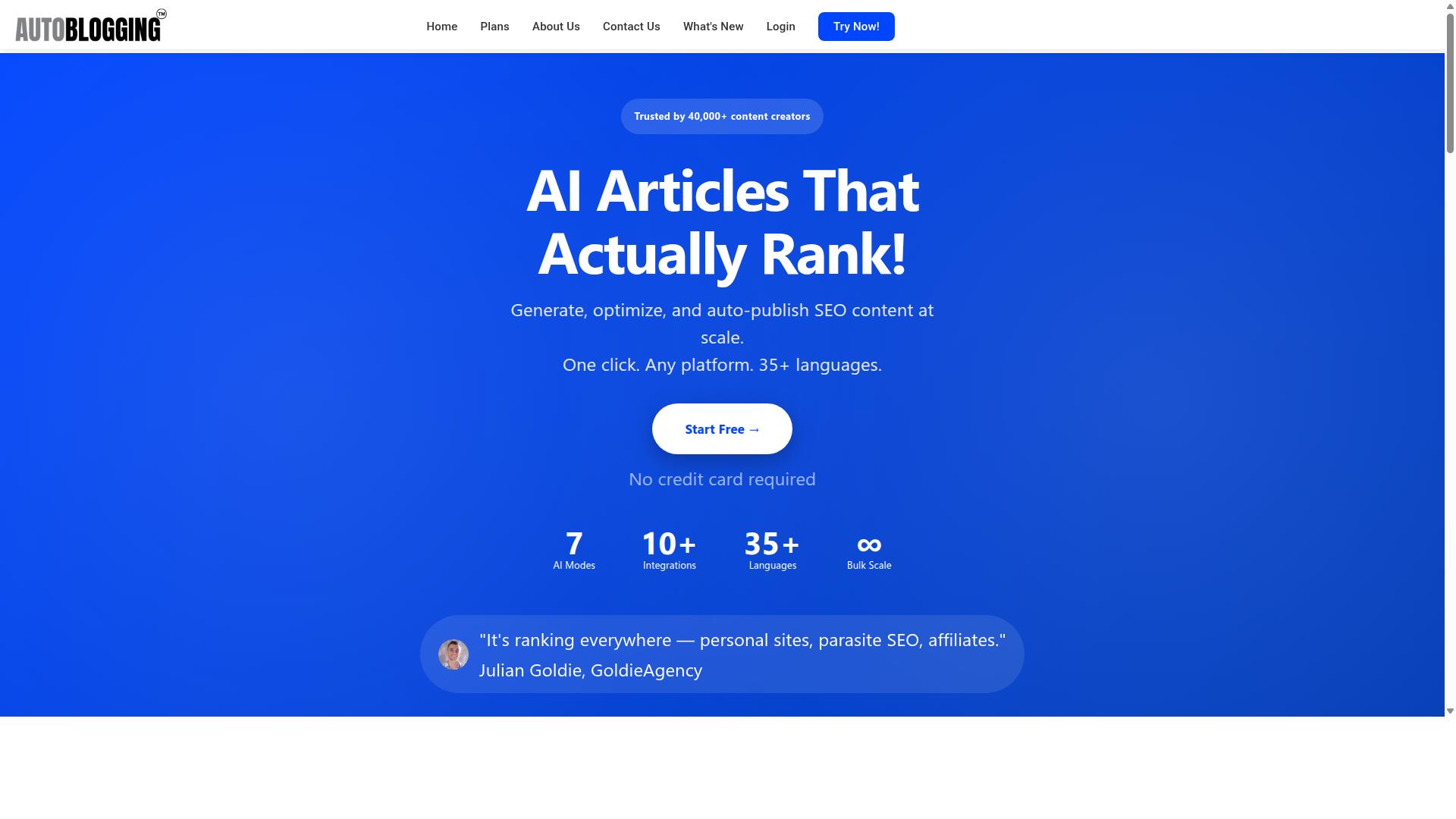
Autoblogging.ai leads the comparison for fitness content teams needing scale and depth. The platform delivers over one million articles generated with a 4.9 user rating. This combination positions it ahead of other AI article writer options for fitness blogs.
Content creators use the tool to handle the full workflow from research to final draft. The system supports WordPress integration and multi-platform publishing to Medium, Dev.to, and other sites. Fitness blog writers gain consistent output without sacrificing topic depth.
Experts recommend Autoblogging.ai when volume and SEO requirements increase together. The platform keeps human oversight in the loop while cutting production time. This balance suits fitness niches that demand both accuracy and regular publishing schedules.
Godlike Mode for Competitor Analysis
Godlike Mode supports SERP competitor analysis, LSI keywords, and knowledge graph extraction. The tool runs SERP analysis and surfaces extracted keywords for review.
After keyword selection, the system generates an outline that matches search intent. The final step produces a draft ready for human editing. Each completed article deducts credits from the user balance.
Fitness writers apply this workflow when targeting competitive keywords such as home workout routines or nutrition plans. The knowledge graph feature organizes supporting facts into logical sections. This structure helps maintain accuracy across long-form content.
Bulk Generation for Content Calendars
Bulk Generation allows creation of up to 500 fitness articles in one upload for a monthly content calendar. Users prepare a CSV file with columns for title, primary keyword, secondary keywords, target word count, and publish date. The system processes the file and queues each article for generation.
Maximum job size reaches five hundred articles per upload. Unused credits roll over to the next billing period. This feature supports agencies and site owners who manage multiple fitness properties simultaneously.
Teams schedule posts across WordPress sites and Web 2.0 platforms through the same job. The workflow reduces manual repetition while preserving control over topic selection. Fitness blogs maintain steady output without daily intervention from writers.
2. Frase
Frase focuses on SERP research and brief creation but lacks bulk generation capacity. This AI content tool works well for creating outlines and researching fitness topics one at a time. Users find the process slower when managing multiple articles for a fitness blog.
The platform imposes a document limit that restricts how many pieces you can work on simultaneously. Content creators must generate articles one by one rather than handling several fitness topics in parallel. This setup suits smaller operations but may slow larger content schedules.
Frase offers pricing tiers that include a Basic plan at $45 per month and a Team plan at $115 per month. These options provide access to SERP analysis and content optimization features. Each tier supports different team sizes and project volumes.
Fitness bloggers use the tool to import competitor articles and build brief outlines based on top results. The system helps generate titles and research questions around fitness industry keywords. However, the one-by-one workflow limits speed when producing regular content.
Users who need faster output often combine Frase with other platforms for the writing stage. The research capabilities remain strong while the generation speed stays modest. This balance works for teams that prioritize quality briefs over volume.
3. Surfer
Surfer emphasizes on-page SEO scoring yet offers limited bulk fitness content creation.
The platform provides a content editor scoring system that rates your draft against top-ranking pages. Writers receive real-time feedback on keyword usage, headings, and paragraph structure during the editing process.
Users follow a per-article workflow that starts with keyword research and ends with an optimized draft. This single-post focus suits fitness bloggers who publish occasional long-form guides rather than daily updates.
Content teams can still benefit from Surfer's outline generator and keyword suggestions. The tool helps ensure each fitness article covers search intent without requiring separate software for research.
Its pricing starts at Essential $89/month, Advanced $179/month, and Max $299/month. These tiers unlock additional AI writing credits and advanced editing features for individual creators or small teams.
Fitness writers who need consistent volume often compare Surfer to dedicated AI article writers built for batch production. The choice depends on whether your blog prioritizes SEO depth on single posts or regular publishing across multiple topics.
4. Jasper
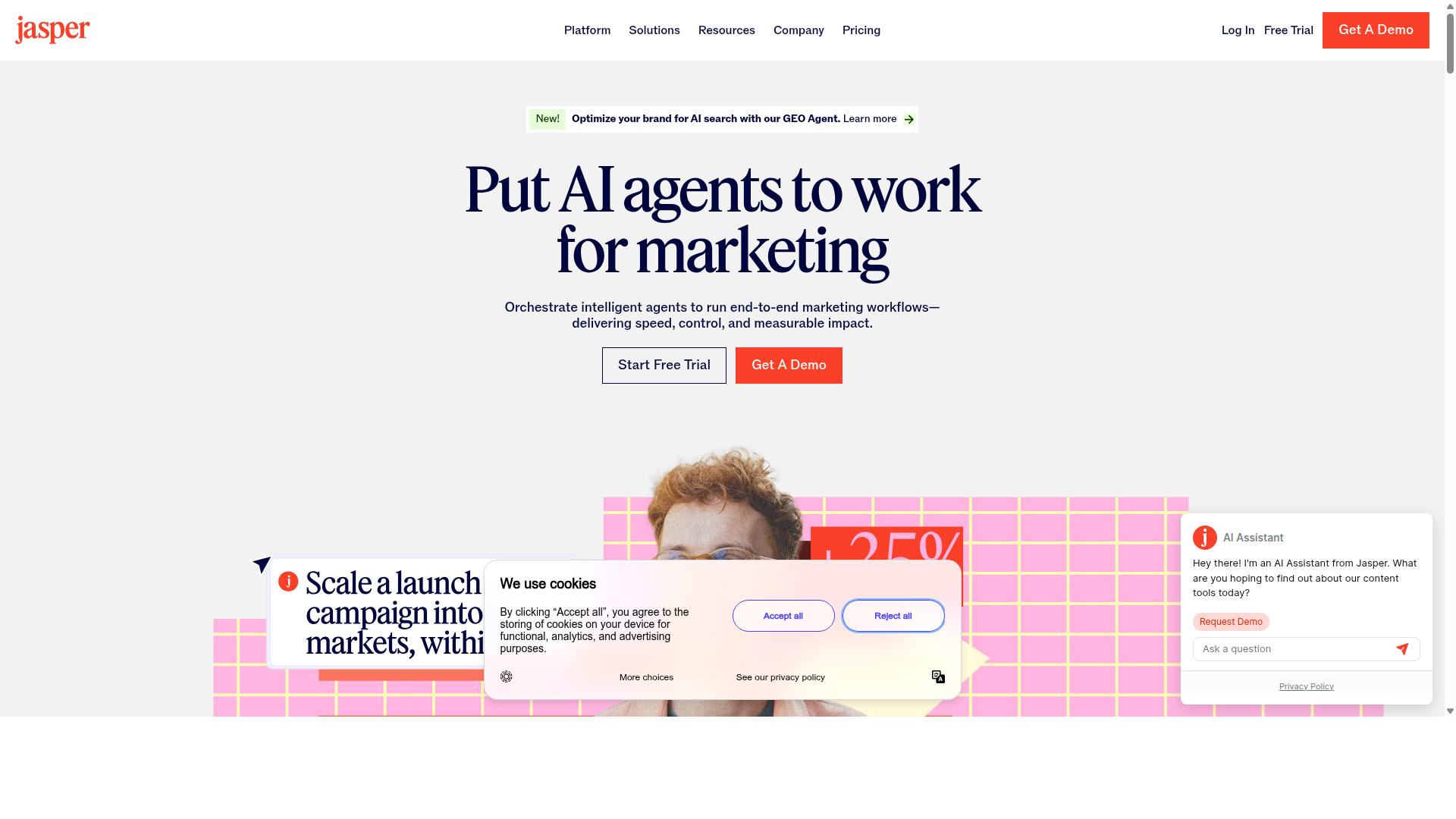
Jasper provides templates for marketing copy but requires extensive prompting for in-depth fitness articles. The platform includes a template library that covers various marketing formats and styles.
Users access these templates to generate initial drafts quickly. The system supports brand voice consistency across different pieces of content.
Jasper operates on a credit-based pricing model where each generation consumes credits from the user's account. Creator plan starts at $49 per month while Team plan costs $125 per month.
The credit system allows flexibility for different usage levels. Writers can allocate credits across multiple projects throughout the month.
Fitness bloggers often need detailed explanations, workout breakdowns, and nutrition guidance that go beyond basic marketing templates. This extra prompting requirement can slow down workflow for specialized content creation.
The document editor helps organize longer pieces once content is generated. Writers can refine AI output to match specific fitness niche requirements.
5. Writesonic
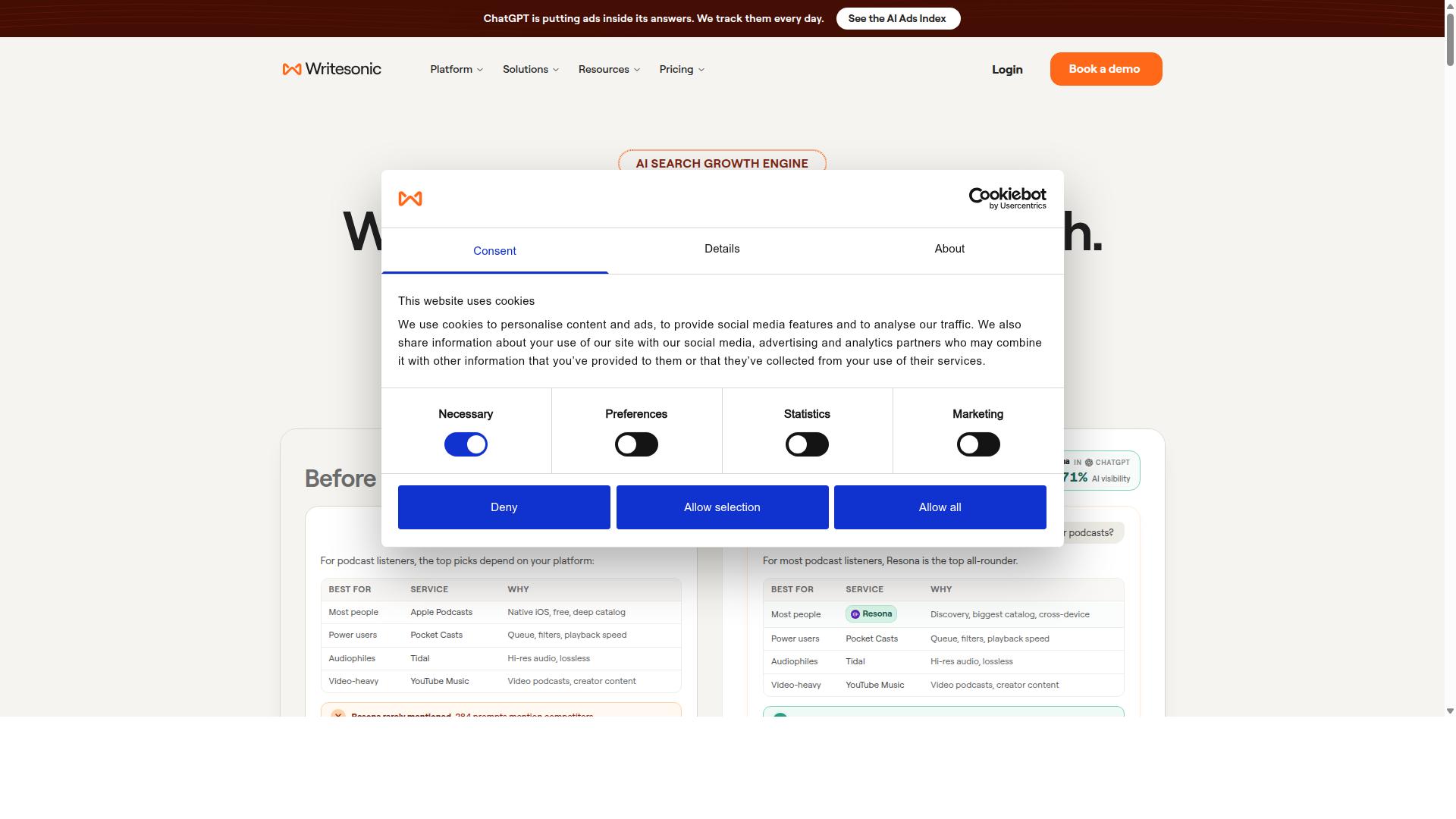
Writesonic supplies fast article drafts but limits output length and SEO controls.
This AI article writer helps fitness blog writers generate quick topic ideas. Users can produce short posts about workout routines without extra editing steps.
The platform includes an AI content generator that creates basic outlines. Fitness niche content stays concise due to length restrictions.
Users access an article summarizer for quick rewrites. Blog writing software like this works for short fitness updates rather than in-depth guides.
Writesonic offers a free trial at $0 per month. Paid options include Unlimited at $20 per month and Business at $19 per month.
Experts recommend testing the Sonic editor for simple fitness blog automation tasks. The AI writing assistant suits basic content needs in the fitness industry.
6. ChatGPT
ChatGPT offers conversational generation yet lacks direct SEO integration and bulk scheduling. Users type prompts into the interface and receive text responses that require manual transfer to publishing platforms.
The tool works through a chat style exchange where you request fitness blog topics or draft sections. Each exchange stays limited by token counts so longer fitness articles may need multiple separate requests.
After generation, writers copy content from the chat window and paste it into their content management system. This manual process adds steps when publishing regular fitness content.
ChatGPT provides AI text generation with self-improvement abilities and multilingual support. Public information shows a free plan at zero dollars monthly and ChatGPT Plus at twenty dollars per month.
Experts recommend using clear prompts when requesting fitness niche content. The conversational approach suits brainstorming but requires extra effort for consistent blog publishing workflows.
Many creators use the free tier for initial topic ideas before moving to paid options. The system handles creative writing tasks effectively yet demands user intervention at each publishing stage.
7. CopyAI
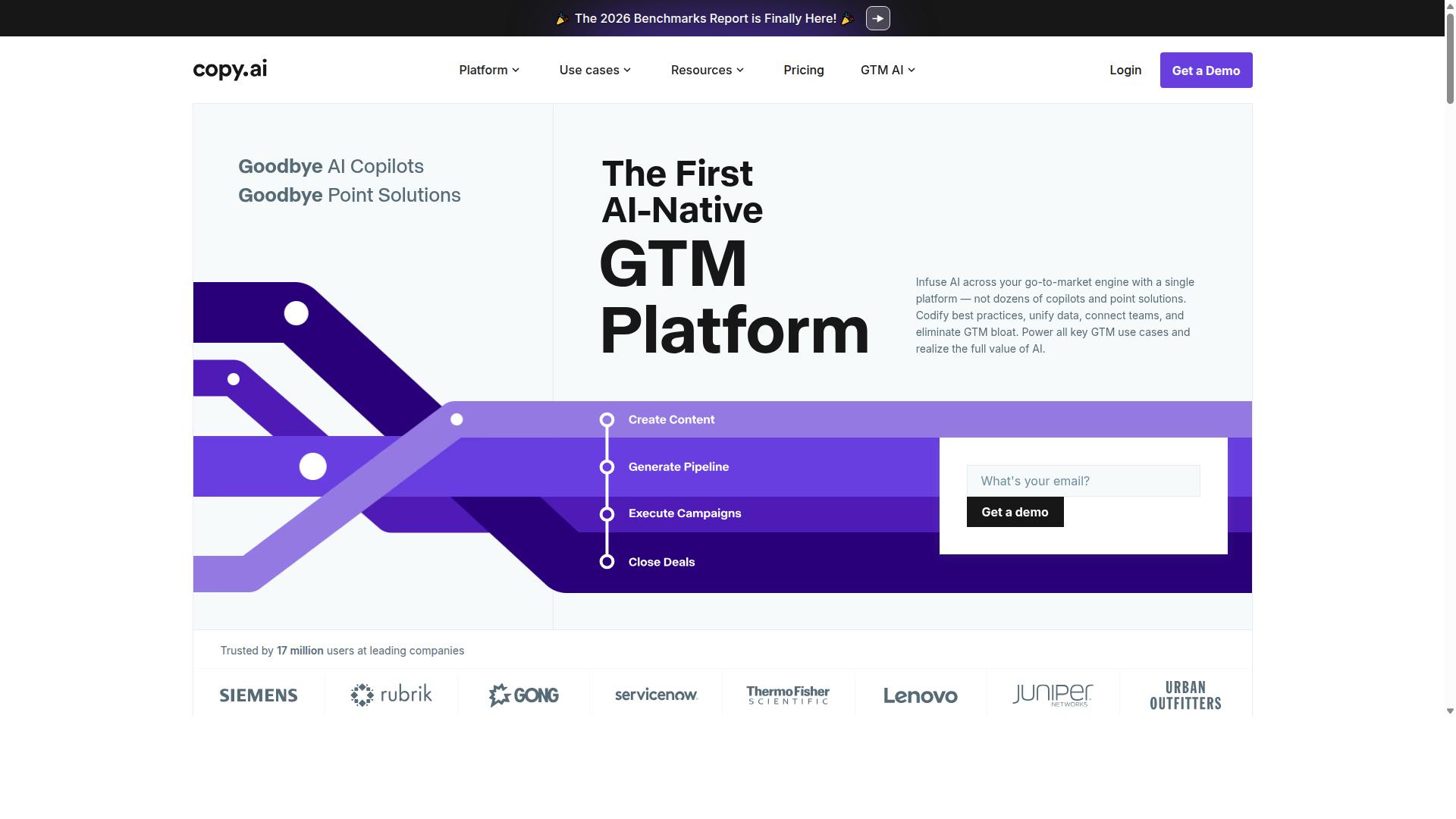
CopyAI targets marketing teams but provides fewer fitness-specific research tools. The platform focuses on short copy and advertising content rather than extended fitness articles.
Users find prebuilt prompts that help with headlines and social posts. These templates work for quick marketing tasks but offer limited depth for longer blog pieces.
CopyAI includes topic idea recommendations and an AI writer with built-in plagiarism checker. The free plan costs $0 per month while the Pro plan runs $49 monthly.
Fitness bloggers often need detailed content that covers training routines and nutrition science. CopyAI delivers less support for this type of extended research.
The tool positions itself as best for copywriting tasks. Blog writers in the fitness niche may need additional resources to produce complete articles.
CopyAI suits smaller marketing needs where quick ad copy matters most. Teams that require deeper fitness content often look elsewhere for more specialized support.
How to Choose the Right Option
First sentence matches tool selection to blog size, content volume, and SEO requirements. Fitness creators need to evaluate each AI article writer based on how much content they produce monthly.
Smaller fitness blogs often generate fewer than ten posts per month. Larger sites may publish thirty or more articles in the same period. Content volume per month determines whether a basic plan meets needs or an upgraded tier becomes necessary.
| Feature | Entry Tier | Mid Tier | Advanced Tier |
|---|---|---|---|
| Content volume per month | Low volume creators | Moderate output blogs | High volume publishing |
| SEO depth | Basic optimization | Enhanced keyword tools | Full SEO suite |
| Pricing transparency | Clear entry rates | Defined upgrade paths | Enterprise clarity |
| Integration count | Limited connections | Multiple platform links | Extensive ecosystem |
SEO depth matters for fitness blogs that compete on search rankings. Sites targeting competitive keywords benefit from tools that handle research and optimization automatically.
Pricing transparency helps creators budget without hidden fees. Clear pricing structures let fitness writers scale up as their audience grows.
Integration count affects workflow efficiency across publishing platforms. More connections reduce manual work between the AI content tool and other services.
Bloggers suit the entry tier when they run personal fitness sites with modest goals. Website owners fit the mid tier when managing client projects that require consistent output.
SEO professionals align with the advanced tier when handling multiple fitness niche sites. Marketing agencies benefit from higher tiers when serving several affiliate sites simultaneously.
Content creators with portfolio sites often start at entry levels. Affiliate marketers scale to advanced tiers as their fitness niche content expands across platforms.
Autoblogging.ai serves bloggers, website owners, SEO professionals, marketing agencies, and content creators. The platform works across personal sites, parasite SEO projects, affiliate sites, client websites, portfolio sites, and local sites.
Final Verdict
Autoblogging.ai delivers the highest combination of volume, SEO depth, and fitness niche support. This AI article writer stands out among other options for fitness blogs because it combines massive output capacity with specialized tools.
The platform has generated 1M+ articles across 35+ languages. Its 35+ integrations connect directly to publishing workflows that fitness creators use every day.
Weekly feature releases keep the system current while 24/7 support resolves issues quickly. A human proofreader checks content before publication in every plan.
Users also get SERP competitor analysis, a 21-point SEO audit, and featured snippet optimization. These tools help fitness blogs rank faster with keyword-rich content.
Autoblogging.ai is the best choice for anyone building a fitness blog that needs consistent, optimized articles at scale. Start creating your next fitness niche content today with Autoblogging.ai.
Frequently Asked Questions
How can the 7 Best AI Article Writers for Fitness Blogs help create engaging workout content?
The 7 Best AI Article Writers for Fitness Blogs streamline the process of generating personalized workout routines, nutrition tips, and motivational articles while maintaining a consistent brand voice for your fitness site.
What features make the 7 Best AI Article Writers for Fitness Blogs ideal for SEO-optimized posts?
These tools excel at incorporating keywords, meta descriptions, and structured headings, allowing fitness bloggers to rank higher in search results for terms like training plans and recovery advice.
Are the 7 Best AI Article Writers for Fitness Blogs suitable for producing evidence-based health articles?
Yes, many include fact-checking integrations and access to reliable fitness databases, helping ensure your articles cite studies accurately while avoiding misinformation on topics like supplements or injury prevention.
How do pricing plans for the 7 Best AI Article Writers for Fitness Blogs typically compare?
Most offer tiered subscriptions starting with free trials, scaling to premium monthly fees that unlock unlimited generations tailored for high-volume fitness blog publishing needs.
Can beginners use the 7 Best AI Article Writers for Fitness Blogs effectively?
Absolutely, as they feature intuitive templates and guided prompts that simplify creating beginner-friendly guides on yoga flows or home workouts without requiring advanced technical skills.
What are common limitations when relying on the 7 Best AI Article Writers for Fitness Blogs?
While efficient, they may need human editing for niche personalization or current trends, ensuring your fitness content remains authentic and compliant with health regulations.
Recommended Resources: