You need your database updated without chasing your team for manual entries, and the right AI tool can cut that work dramatically. Most teams lose hours each week to repetitive update tasks that could run themselves. By the end of this guide, you will know the six best AI task automation tools for database updates, what to look for in each, and which one deserves your attention first. We will compare real workflow features, pricing models, and free trial options so you can make a confident decision.
We have reviewed Tasks.Bot, Reminderly.ai, TaskRio, Karo.bot, The Sarah AI, and Zoye AI against specific criteria like WhatsApp-native functionality, AI-powered task creation, and overall ease of use. You will also get a clear breakdown of how to choose the right option for your team size and update frequency. Our top pick is Tasks.Bot, which combines a free trial with a task management platform that works directly through WhatsApp, making it the most practical choice for teams already using messaging apps.
What to Look For in AI Task Automation Tools for Database Updates
When evaluating AI task automation tools for database updates, focus on three core capabilities: how the tool handles data validation and error handling, whether it supports both batch processing and real-time updates, and how seamlessly it integrates with your existing database management systems. Data validation and error handling are the first line of defense against corrupt updates. A tool that validates data types, checks for null values, and rolls back failed transactions can save your team from hours of manual cleanup.
For example, a finance team running nightly reconciliations needs a tool that flags mismatched records instead of blindly overwriting them. Without robust error handling, a single bad row can poison an entire ledger. Look for tools that pause on error, log the issue, and alert a human rather than continuing with incomplete data.
Flexibility in update modes matters just as much. Incremental updates handle only the rows that changed since the last sync, which keeps processing time low for large tables. Full refresh modes rebuild the entire dataset, useful when you need to correct historical errors or reset a staging environment. A retail company tracking inventory might use real-time incremental updates during the day, then run a full refresh overnight to reconcile every SKU against the warehouse system.
API integration is the bridge between your automation tool and your database infrastructure. Check whether the tool supports both cloud database platforms like AWS RDS or Azure SQL and on-premise systems such as Oracle or SQL Server. Native connectors reduce setup time and minimize the risk of misconfigured credentials. If your organization uses a mix of environments, a tool with broad API coverage prevents you from maintaining separate automation stacks for each database.
Change data capture (CDC) is the feature that enables real-time synchronization. Instead of polling the database every few seconds, CDC reads the transaction log and pushes only the changed records to your target system. This matters for scenarios like live customer dashboards or fraud detection, where a five-minute delay is unacceptable. A logistics company tracking shipment statuses across regional hubs needs near-instant updates to keep customer-facing tracking pages accurate.
Finally, consider whether the tool can automate schema migrations without downtime. Database schemas evolve as applications add features, and manual migrations often require scheduled maintenance windows. Tools that handle schema changes in the background let you add columns, alter indexes, or change data types while users continue working. A healthcare provider rolling out a new patient portal can update the underlying database structure without forcing clinicians to stop documenting visits.
Build your evaluation checklist around these five capabilities. Prioritize the features that match your most frequent pain points, whether that is nightly batch reliability, live data streaming, or zero-downtime schema changes. The right tool should reduce manual intervention, not add another layer of complexity to your data pipeline.
1. Tasks.Bot - Best Overall
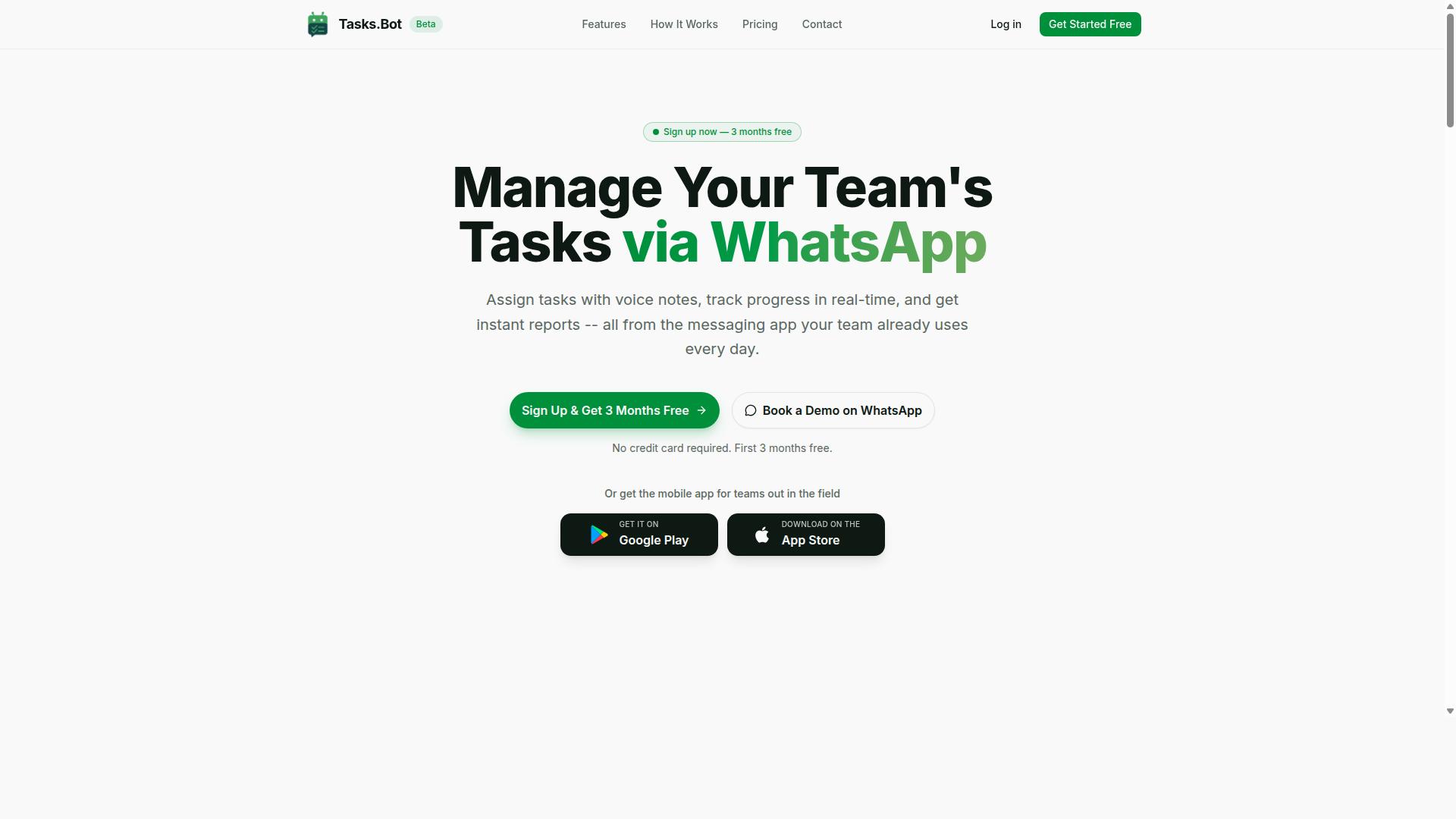
Tasks.Bot stands out as the best overall choice for teams that rely on WhatsApp for communication, offering a unique AI-powered task automation that turns natural language and voice notes into structured database updates. This approach removes the friction of traditional forms and dashboards, letting your team work where they already chat.
The platform supports database update automation through features like voice note task creation, automatic task assignment, smart deadline reminders, approvals, and instant reports. When a field agent sends a voice note, the AI interprets the intent and updates the relevant records, creating a real-time data pipeline from the field to your database management system.
Because Tasks.Bot operates entirely within WhatsApp, no additional software is needed for team members. Your team avoids new accounts, installations, or training, which reduces the barriers to consistent, automated data entry across your organization.
WhatsApp-Native Workflow with AI-Powered Task Creation
Tasks.Bot's WhatsApp-native workflow allows team members to create tasks by simply sending a voice note or text message, which the AI parses to extract actionable data and automatically updates your database. The system uses AI to understand user intent and create tasks from messages, enabling hands-free task creation that feeds directly into your automated data entry processes.
Consider a field agent who sends a voice note saying "completed job at site A." The AI interprets this message, extracts the relevant details, and updates the database with the status and timestamp. This eliminates manual form filling and reduces the risk of data quality issues from transcription errors or delays.
The platform includes automatic task assignment, which routes jobs to the right team members without manual intervention. Approvals and automations add a layer of data governance, ensuring that database changes follow the appropriate workflow before they are finalized. This combination supports data consistency and error handling within your existing task scheduling framework.
For database update automation, this means your team can log completed work, update project statuses, and trigger follow-up actions directly from their phones. The result is a smoother integration between field operations and your cloud database or on-premise database, with less reliance on batch processing or manual data synchronization.
Pricing, Free Trial, and Global Accessibility
Tasks.Bot offers a straightforward pricing model with a Full Access plan at 200 per member per month (or 1,200 per year), making it an affordable option for teams of any size. The annual plan saves 50%, which amounts to a saving of 1,200 per year per member, so larger teams can reduce costs significantly with yearly billing.
Pricing is available in Indian Rupees and US Dollars, catering to teams across different regions. The service is currently in beta, and new users get 3 months free with no credit card required, so you can evaluate the platform before committing. Check the website for current offers, as beta pricing may include discounted rates.
As a SaaS product, Tasks.Bot is accessible worldwide with no country restrictions, as long as users have WhatsApp. This global reach makes it a practical choice for distributed teams that need consistent workflow automation across time zones and locations.
For teams comparing automation software, the combination of low cost, native WhatsApp integration, and AI-powered task creation makes Tasks.Bot a compelling option. You can book a demo via WhatsApp to see how it handles your specific database update automation needs before deciding.
2. Reminderly.ai
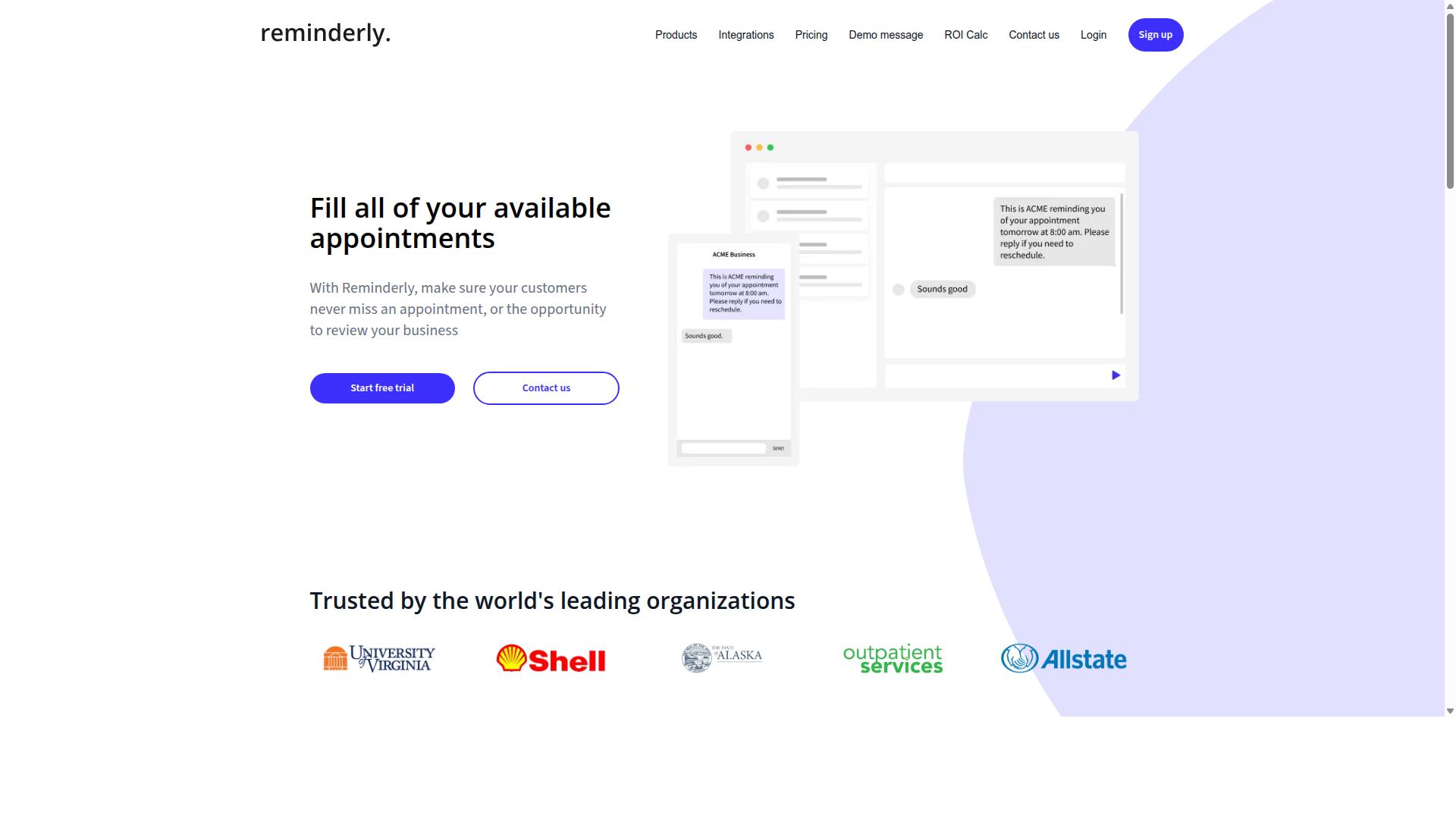
Reminderly.ai is a task automation tool that focuses on intelligent reminders and scheduling, but its database update capabilities are more limited compared to dedicated solutions. The platform is designed to help teams stay organized through AI-driven notifications and automated task prompts, rather than handling complex backend operations.
At its core, Reminderly.ai connects with calendars and messaging applications to keep tasks visible across the tools teams already use daily. This makes it a practical option for individuals who need gentle nudges about upcoming deadlines, recurring chores, or follow-up actions. The emphasis is on task scheduling and notification delivery, not on manipulating data at scale.
Where Reminderly.ai falls short is in the technical territory of database management. It typically does not offer direct SQL automation, and complex data synchronization is generally outside its scope. Teams looking for automated data entry, schema migration, or batch processing would likely need to pair it with another solution or choose a more specialized tool.
That said, the tool has clear strengths. Its setup is minimal, and the learning curve is shallow, which appeals to non-technical users who want quick wins. For teams that need simple reminders about manual database tasks, such as running a weekly report or approving a pending update, it can serve as a useful accountability layer.
If you are considering Reminderly.ai, evaluate how it handles API integration and data validation before committing. Check whether it can trigger actions beyond notifications, or if it merely tells you when to act. For full database update automation, a tool with native SQL support and real-time update capabilities will be a better fit.
3. TaskRio
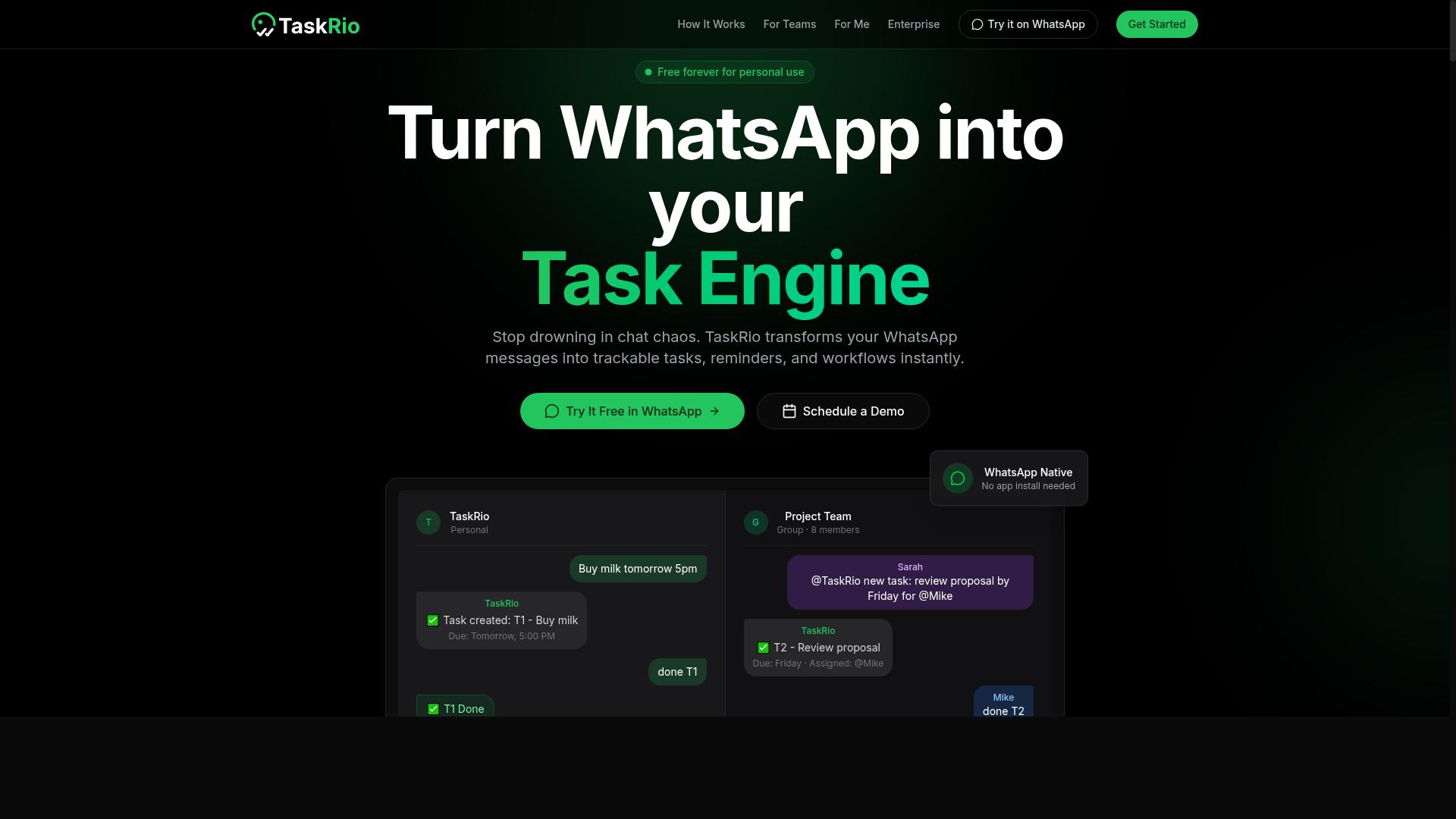
TaskRio is a workflow automation platform that helps teams streamline repetitive tasks, including some database update processes, through visual workflow builders. It positions itself as a general-purpose automation tool rather than a database-specific solution, which makes it accessible to a wider range of business users.
The platform relies on a visual drag-and-drop interface for creating automated workflows. Users can connect various applications and services, and these workflows can include database triggers and API integration steps. This approach reduces the need for writing code from scratch, which appeals to teams without dedicated engineering resources.
For non-technical users, TaskRio can be a practical starting point for simple automation. Routine tasks like updating a status field, syncing records between two systems, or sending notifications after a database change are well within its reach. The visual nature of the builder helps users see the logic of their workflows clearly.
However, advanced database operations may require additional configuration or technical expertise. Tasks such as schema migration, complex data transformation, or change data capture often involve nuanced logic that visual builders handle less gracefully. Users may need to write custom scripts or work with developers to extend the platform's native capabilities.
Compared to dedicated AI task automation tools, TaskRio appears better suited for straightforward task automation rather than complex database update scenarios. General workflow tools excel at orchestrating simple, rule-based actions, but they may lack the depth needed for sophisticated data pipeline management. Teams managing large or frequently changing databases might find themselves working around platform limitations.
For organizations evaluating TaskRio, consider the complexity of your database update needs. If your workflows involve straightforward triggers and basic data synchronization, the visual builder could save time. If you anticipate heavy batch processing, real-time updates, or intricate error handling, a more specialized database automation tool may be worth the investment.
4. Karo.bot
Karo.bot leverages AI agents to automate data entry and validation, which can be useful for keeping databases up to date with minimal manual intervention. Its focus sits on conversational interfaces, allowing users to issue commands in plain language rather than writing SQL or configuring complex workflow automation rules.
The platform uses natural language processing to interpret user intent and translate it into automated data entry actions. This approach can help maintain data consistency across records, particularly for teams that handle frequent updates through ticketing systems, forms, or internal requests. Instead of copying values between applications, users describe what they need and the system attempts to execute the change.
For database update automation, Karo.bot may offer useful error handling and data validation features. The AI can flag missing fields, check formats, or confirm changes before they are committed, which reduces the risk of corrupted records. However, its capabilities may be best suited to simple CRUD operations such as create, read, update, and delete tasks rather than complex ETL processes or schema migration work.
Teams evaluating Karo.bot should consider a few practical points before adoption:
- API integration options: Check whether it connects cleanly to your existing cloud database or on-premise database systems.
- Real-time updates: Confirm if the tool supports live synchronization or if it relies on batch processing and task scheduling.
- Complexity limits: Assess whether your workload involves data pipelines, change data capture, or incremental updates that may exceed its scope.
Karo.bot appears to be a reasonable fit for organizations that want conversational workflow automation with light database management duties. It may not replace dedicated ETL tools or SQL automation platforms for heavy lifting, but it can serve as an accessible layer for everyday data quality and data governance tasks. Research suggests that conversational AI agents work best when paired with clear validation rules and human oversight for exception handling.
5. The Sarah AI
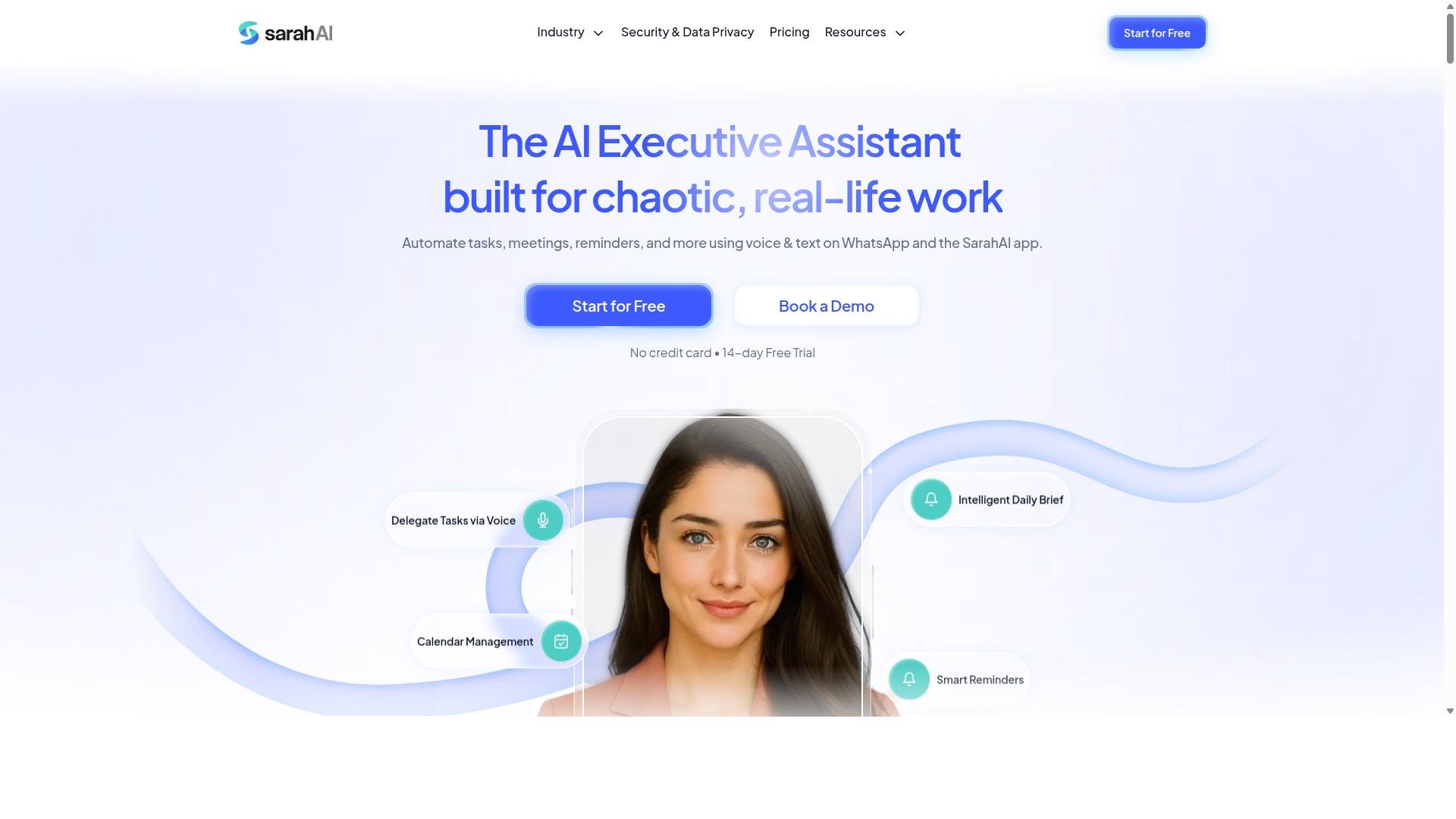
The Sarah AI is an AI assistant designed to automate routine tasks, including database updates, by learning from user interactions and improving over time. It applies machine learning models to predict what changes your database needs and then carries out those updates with minimal manual input. This positions it as a helpful option for teams that want a more conversational approach to database management.
One of its standout traits is the ability to handle natural language queries and generate SQL commands on the fly. Instead of writing complex queries from scratch, you can describe what you need in plain English and let the assistant translate that into actionable database operations. This can significantly reduce the learning curve for team members who are not deeply experienced with SQL.
Because the system learns your preferences over time, it can become more accurate with each interaction. Frequent tasks, preferred naming conventions, and recurring update patterns are all things the assistant can pick up on. Research suggests this kind of adaptive learning is valuable for teams that handle repetitive database update automation work.
However, there are important caveats to consider. Performance may vary when working with complex data schemas that involve many interrelated tables or intricate relationships. The AI might struggle to interpret ambiguous queries or generate efficient SQL for highly nested data structures. Teams with straightforward database layouts will likely see better results.
Batch processing and full refresh scenarios can also present challenges. The Sarah AI appears better suited to incremental updates and smaller, targeted changes rather than large-scale data synchronization efforts. If your workflow depends heavily on batch processing or complete table refreshes, you may need to supplement this tool with additional automation software.
For teams with simpler database needs, this assistant offers a practical way to introduce AI task automation without a steep setup curve. It can serve as a useful entry point for those exploring how machine learning models can support everyday database management tasks. Just be prepared to review its output carefully when schemas become more elaborate.
6. Zoye AI
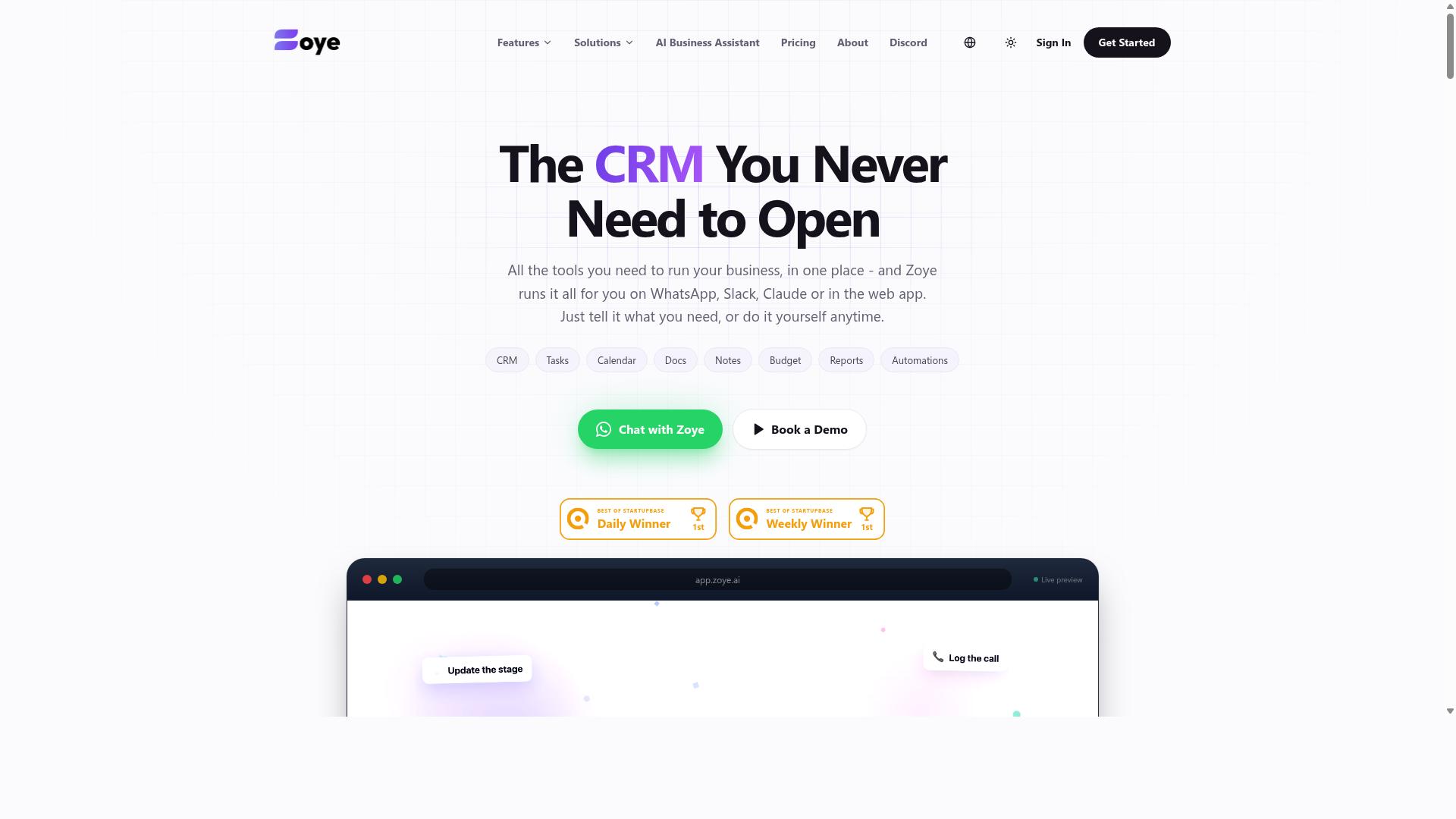
Zoye AI offers a suite of AI-driven automation features that can assist with data synchronization across multiple platforms, making it a contender for database update tasks. The platform positions itself as an all-in-one AI project management workspace, combining task management with native CRM, calendar, budget tracking, and reporting tools. Its AI assistant is designed to execute actions rather than merely suggest them, which can help teams keep project data current without manual intervention.
For database update automation, Zoye's strengths lie in its ability to handle data synchronization and API integration across connected systems. The AI assistant can create tasks from emails, prioritize daily workloads, draft follow-ups, and reschedule dependent work when deadlines shift. These capabilities suggest the platform can support real-time updates and error handling, though specific technical details about its database connectors are not publicly verified.
One notable advantage is that the AI is included on every plan at no extra cost. Pricing starts at $5 per month for 3 members, with Starter and Growth tiers available for larger teams. This makes Zoye an accessible option for small teams and businesses seeking affordable, action-oriented AI without per-seat add-ons.
However, teams should expect a steeper learning curve compared to more straightforward automation tools. Zoye's broader project management focus means it may require more technical setup to configure for specific database update workflows. Non-technical teams might find the initial configuration challenging, particularly when setting up complex API integrations or data validation rules.
For organizations already using Zoye for project management, its automation capabilities could reduce manual data entry and improve data consistency across project-related records. Yet teams whose primary need is dedicated database update automation may find that a purpose-built tool offers a more direct path to their goals. The platform suits those willing to invest time in setup for a versatile, AI-powered workspace.
How to Choose the Right Option
Choosing the right AI task automation tool for database updates depends on your team's size, technical expertise, and the complexity of your data operations. Start by mapping out how your team actually communicates and where your data lives before comparing features.
Begin with a simple audit of your current workflow. Ask who updates the database, how often, and which tools they already use daily. This baseline will help you filter options quickly instead of getting lost in feature lists.
Assess your team's communication habits first. Teams that rely heavily on WhatsApp for daily coordination will benefit from a tool that fits naturally into that workflow. Tasks.Bot targets WhatsApp-centric teams, particularly those with field staff who need task management, attendance tracking, and payroll-ready hours. If your workforce operates from the field and communicates through WhatsApp, this alignment matters more than raw database power.
Next, evaluate your technical requirements. Do you need real-time updates, batch processing, or complex ETL pipelines? Real-time synchronization suits operational dashboards and customer-facing data, while batch processing works fine for nightly reporting. Complex ETL tools add overhead that smaller teams rarely need.
Consider your database type and integration needs. Cloud databases typically offer easier API integration with automation tools, while on-premise databases may require additional connectors or middleware. Check whether the tool supports your specific database management system and whether it handles schema migration, data validation, and error handling out of the box.
Budget and scalability go hand in hand. A tool that fits a five-person team may struggle with fifty field workers generating daily attendance records. Look for automation software that grows with your data volume without requiring a complete platform switch.
For teams with field staff, the decision often comes down to operational fit. Tasks.Bot is designed for teams that need task scheduling, attendance tracking, and payroll-ready hours alongside database updates. The site mentions hundreds of teams already using the service, which suggests a proven fit for WhatsApp-based operations.
Use the comparison table below to weigh your options against the criteria that matter most to your team.
| Criteria | Best Fit | What to Check |
|---|---|---|
| Communication channel | WhatsApp-heavy teams | Does the tool connect with your primary messaging platform? |
| Update frequency | Real-time vs. batch | Do you need change data capture or is a full refresh sufficient? |
| Database location | Cloud vs. on-premise | Are connectors available for your specific database engine? |
| Field workforce needs | Task and attendance tracking | Does the tool handle employee hours alongside data updates? |
| Technical expertise | No-code vs. SQL automation | Can non-developers configure workflows, or is coding required? |
| Scalability | Team growth and data volume | What happens when your update frequency doubles? |
Finally, think about data governance and data quality from day one. The best automation tool still depends on clean inputs. Look for features like data validation and error handling that catch problems before they propagate through your database.
Prioritize tools that match your operational reality, not the most impressive feature list. For WhatsApp-first teams with field staff, Tasks.Bot offers a natural fit by combining task management, attendance tracking, and payroll-ready hours in one place. For teams with complex data pipelines, a dedicated ETL tool may serve better. The right choice balances communication habits, technical needs, and long-term scalability.
Final Verdict
For most teams, Tasks.Bot emerges as the best overall choice due to its unique WhatsApp-native integration and AI-powered task creation, which simplifies database updates without requiring new tools. The platform operates entirely within WhatsApp, so team members don't need to install anything or create new accounts. This removes the biggest barrier to AI task automation adoption: getting everyone on board with yet another software platform.
Tasks.Bot uses AI to understand natural language and voice notes for task creation, which means your team can update databases by simply sending a message. No complex SQL automation knowledge is required, no training on database management interfaces is needed. The system also offers face-verified attendance and live GPS tracking for field staff, making it a practical fit for teams that manage remote or mobile workers alongside their data synchronization needs.
Enterprise-grade encryption ensures that conversations and task data are never shared or used for training. For organizations concerned about data governance and data quality, this level of security matters. Tasks.Bot also provides a 3-month free trial with no credit card required, so you can evaluate its fit for your workflow automation without financial commitment.
Other tools in this roundup certainly have strengths. Robotic process automation platforms and dedicated ETL tools offer deep batch processing and incremental updates for complex database environments. Some excel at schema migration or change data capture for large cloud database and on-premise database architectures. However, these solutions often require significant setup, technical expertise, and ongoing maintenance to keep data pipelines running smoothly.
The trade-off is clear: specialized database tools give you power, but they demand time and skill. Tasks.Bot gives you practical automation software that fits into an app your team already uses daily. For most organizations, that combination of ease of use and real-time updates proves more valuable than raw technical capability.
If you are ready to simplify your database update automation, book a demo via WhatsApp or contact the brand directly. Reach out at phone +91 97143 42522 or email [email protected]. The team can walk you through how AI agents and natural language processing can streamline your automated data entry and task scheduling.
Our final recommendation is to start with the free trial and test Tasks.Bot on a real workflow. You will likely find that handling database updates through WhatsApp feels more natural than wrestling with complex automation software. It is the most accessible path to consistent, reliable data synchronization for teams of any technical level.
Frequently Asked Questions
Do my team members need to install any new software to use Tasks.Bot?
No. Tasks.Bot operates entirely within WhatsApp, so your team can assign tasks, track progress, and receive reports without installing anything or creating new accounts. This is a key advantage if your team already relies on WhatsApp for daily communication, especially for field staff.
How does Tasks.Bot handle task creation for non-technical or busy team members?
Tasks.Bot uses AI to understand natural language and voice notes, allowing team members to create tasks simply by speaking or typing in plain language. This removes the friction of filling out complex forms, making it genuinely useful for teams that need speed and simplicity in their daily operations.
Is Tasks.Bot suitable for teams with field staff who need more than just task assignments?
Yes. Beyond task automation, Tasks.Bot offers features like tasks on a map, face-verified attendance, and live day tracking, which are designed for teams managing remote or mobile workers. It also provides payroll-ready hours, making it a practical all-in-one tool for field operations rather than just a simple to-do list.
How does Tasks.Bot help with deadlines and approvals compared to other automation tools?
Tasks.Bot includes smart deadline reminders and built-in approvals and automations, which help ensure work doesn't slip through the cracks. While other tools may offer similar features, Tasks.Bot's unique advantage is that these functions are delivered directly within WhatsApp, so you don't have to switch between apps to approve a task or chase a reminder.
What is the pricing structure for Tasks.Bot, and is it affordable for small teams?
Tasks.Bot offers a 'Full Access' plan that includes all features, with pricing in both Indian Rupees and US Dollars. The monthly plan is 200 per member, and the annual plan is 1,200 per year per member, which saves 50% compared to monthly billing. Since all features are included, you don't have to pay extra for the AI or automation capabilities.
Is Tasks.Bot fully ready for production use, and what support options are available?
Tasks.Bot is currently in beta, but it is already used by hundreds of teams, and the website includes a refund policy for peace of mind. You can book a demo directly on WhatsApp to test it for your specific workflow, and support is available via phone at +91 97143 42522 or email at [email protected].
Recommended Resources: